Trimethoprim is an antibiotic commonly used to treat urinary tract infections (UTIs). It works by stopping bacteria from multiplying, allowing the body to clear the infection. It’s usually taken as oral tablets once or twice daily for a short course, depending on the condition being treated. It’s important to complete the full course as prescribed, even if symptoms improve, to ensure the infection is fully cleared and to reduce the risk of resistance.
The most commonly reported side effects of trimethoprim include nausea, vomiting, and itching or rash. Some patients experience mild gastrointestinal upset such as stomach pain or diarrhoea. A minority of individuals develop a sensitivity rash, which should be assessed by a clinician. Trimethoprim can occasionally cause increases in blood potassium levels (hyperkalaemia) and affect creatinine readings, so it should be used with caution in certain patient groups. Prolonged use may also interfere with folate metabolism.
Nitrofurantoin
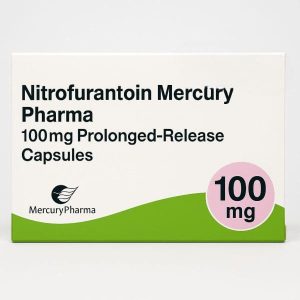
Nitrofurantoin is commonly used to treat urinary tract infections (UTIs). It works directly in the bladder to kill bacteria and is usually taken as a short course of capsules over a few days.
Trimethoprim is an antibiotic commonly used to treat urinary tract infections (UTIs). It works by stopping bacteria from multiplying, allowing the body to clear the infection. It’s usually taken as oral tablets once or twice daily for a short course, depending on the condition being treated. It’s important to complete the full course as prescribed, even if symptoms improve, to ensure the infection is fully cleared and to reduce the risk of resistance.
The most commonly reported side effects of trimethoprim include nausea, vomiting, and itching or rash. Some patients experience mild gastrointestinal upset such as stomach pain or diarrhoea. A minority of individuals develop a sensitivity rash, which should be assessed by a clinician. Trimethoprim can occasionally cause increases in blood potassium levels (hyperkalaemia) and affect creatinine readings, so it should be used with caution in certain patient groups. Prolonged use may also interfere with folate metabolism.
Nitrofurantoin
Nitrofurantoin is commonly used to treat urinary tract infections (UTIs). It works directly in the bladder to kill bacteria and is usually taken as a short course of capsules over a few days.
Nitrofurantoin commonly causes nausea and, less frequently, vomiting – taking the capsules with food or milk can help to reduce this. Some patients notice that their urine turns a darker yellow or brown colour, which is a harmless effect of the drug. Headache and dizziness are also reported. With long-term use, there is a small risk of pulmonary reactions (lung inflammation), liver effects, and peripheral neuropathy, though these are uncommon with short-course treatment. Any new respiratory symptoms during treatment should be reported promptly.
Kindly visit the GPhC website here to find information on how to verify the registration status of the pharmacy and the superintendent pharmacist.
Copyright © 2026 Fishmoor Healthcare LTD, DrWeightmans is a Trademark, All rights reserved. Company Registration No: 13368234| VAT Registration No: GB409334308