Psychological effects of low testosterone include depression, irritability, difficulty concentrating, reduced motivation, and low self-esteem.
The impact of low testosterone on a sufferers quality of life can be significant. Beyond the symptoms mentioned above, the condition can lead to strained relationships due to sexual difficulties and mood changes. Diagnosis of low testosterone can be delayed to symptoms overlapping with other conditions. Many men report feeling “less masculine” or experiencing a loss of identity as their bodies and minds change.
The main treatment for Hypogonadism is testosterone replacement therapy (TRT), given as injections, patches, gels, or pellets. Proper treatment can lead to improved energy levels, sexual function, mood, cognitive function, body composition, and overall quality of life.
Alternative approaches include lifestyle modifications – weight management, regular exercise, adequate sleep, stress reduction – and addressing underlying conditions when possible. Some men benefit from clomiphene citrate to stimulate natural testosterone production rather than providing exogenous hormones.
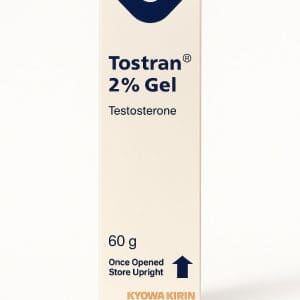
Tostran gel (testosterone) – ADVANZ Pharma
Tostran is a testosterone replacement therapy for men with low testosterone levels. It’s applied as a gel to clean, dry skin once daily, usually on the shoulders, upper arms, or abdomen. The hormone is absorbed through the skin into the bloodstream. Hands should be washed after application, and contact with others should be avoided until the gel has dried.
Common side effects of Tostran gel include skin reactions at the application site such as redness, dryness, acne, and irritation. Acne on other areas of the body and an increase in red blood cell count (which can thicken the blood) have also been reported. Mood changes, headache, and alterations in libido may occur. A key risk with topical testosterone is inadvertent transfer to partners or children through skin contact, which can cause virilisation in women and children. Users should ensure the application site is covered or washed before close physical contact.