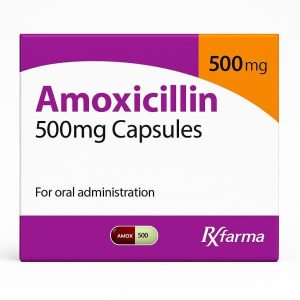
Amoxicillin is a commonly prescribed antibiotic for a range of bacterial infections, including dental infections. It’s taken as a course of tablets or capsules, usually three times a day. It’s important to complete the full course as prescribed.
Amoxicillin is generally well tolerated, with nausea, diarrhoea, and skin rash being the most frequently encountered side effects. Diarrhoea is particularly common and can occasionally progress to antibiotic-associated colitis in rare cases, particularly with prolonged courses. Some patients develop a mild, non-allergic skin rash, which should nonetheless be assessed to rule out a true penicillin allergy. Thrush (oral or genital) may develop due to disruption of normal bacterial flora. A genuine allergic reaction to amoxicillin, though less common, requires immediate medical attention.
Metronidazole
Metronidazole is effective against certain types of bacteria and parasites, often used for dental or vaginal infections. It’s taken as tablets, typically three times daily. Alcohol should be avoided during treatment and for a short period afterwards.
Metronidazole frequently causes nausea, a metallic or bitter taste in the mouth, and loss of appetite. Vomiting, diarrhoea, and abdominal cramping are also reported. It is important to avoid alcohol entirely whilst taking metronidazole and for at least 48 hours after completing the course, as the combination can cause a severe reaction including flushing, vomiting, and palpitations. Some patients experience headache, dizziness, or dark-coloured urine. Peripheral neuropathy (tingling or numbness) can occur with prolonged use.
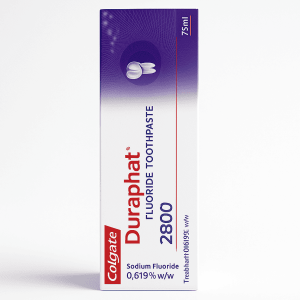
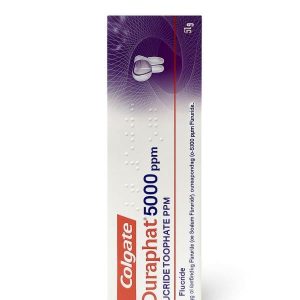
Duraphat toothpaste (high-fluoride) – Colgate-Palmolive
Duraphat is a high-strength fluoride toothpaste used by adults and children over a certain age who are at increased risk of tooth decay. It helps strengthen tooth enamel and protect against cavities. It’s used in place of regular toothpaste, usually twice daily, and patients are advised to spit out after brushing without rinsing, to allow the fluoride to remain on the teeth for longer.
Duraphat high-fluoride toothpaste is generally well tolerated when used as directed. The most notable concern with fluoride toothpaste is dental fluorosis if swallowed in significant quantities, so it should not be swallowed and is not recommended for children under the relevant age thresholds. Some patients report mild gum irritation or hypersensitivity of the teeth, particularly when first starting use. Gastrointestinal upset may occur if swallowed. Otherwise, side effects are uncommon when the product is used correctly.