Metronidazole for Tooth Infections: Why It Is Not Always First Choice
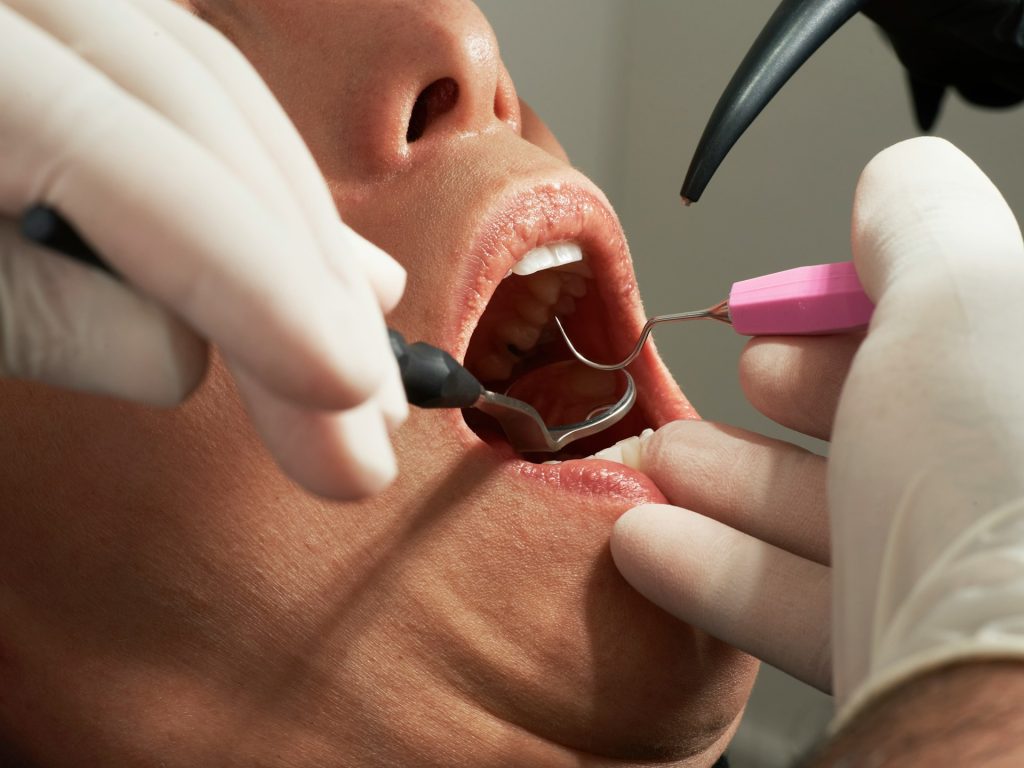
Get the Right Care for a Painful Tooth Infection
Toothache, swelling or a sudden bad taste in your mouth can feel alarming, especially when it appears out of nowhere. September is a sensible time to get dental problems checked after the summer holidays, before work and school routines become busy again.
When pain starts, it is understandable that you may search online for antibiotics, including metronidazole for a tooth infection. However, we recommend getting a dental assessment where possible. Treating the source of the problem is often more important than taking antibiotics alone. Knowing why metronidazole is sometimes used, and when urgent help is needed, can help you make safer choices.
Why Metronidazole Is Not Usually the First Choice
Metronidazole is not automatically the right treatment for every dental infection. Tooth infections can have different causes, involve different bacteria and range from mild local problems to infections that are spreading. A dentist or prescriber needs to consider your symptoms, medical history and the condition of your tooth before deciding whether antibiotics are appropriate.
A localised abscess may need hands-on dental treatment rather than antibiotics. For example, the infection may need to be drained, or the tooth may need root canal treatment or removal. If the source can be treated directly and the infection is contained, antibiotics may not be needed.
UK dental prescribing guidance may favour other antibiotics in some situations. Metronidazole may be considered when it is clinically suitable, such as for particular bacterial infections or where another option is unsuitable. No antibiotic is a one-size-fits-all answer for tooth pain, gum problems or swelling.
When Metronidazole May Be Used for a Tooth Infection
Following an assessment, a dentist or prescriber may consider metronidazole where there are signs that an infection is spreading, when you cannot take certain other antibiotics, or when it is needed alongside another treatment. The decision should always be based on your individual circumstances.
Metronidazole works against certain anaerobic bacteria. These are bacteria that can grow where there is little oxygen, including in some dental infections. That does not mean it will treat every sore tooth, swollen gum or pain caused by decay, a cracked tooth or another dental issue.
If metronidazole is prescribed, take it exactly as directed for you. Common side effects can include:
- Nausea or feeling sick
- Diarrhoea
- A metallic taste in the mouth
- Stomach discomfort
Do not drink alcohol while taking metronidazole or for 48 hours after your final dose. Before treatment, seek professional advice if you take warfarin or other regular medicines, are pregnant or breastfeeding, or manage a long-term health condition.
Antibiotics Cannot Replace Urgent Dental Treatment
Antibiotics can help reduce the spread of some infections, but they do not remove the cause. Infection may be trapped inside a tooth, linked to advanced decay, caused by gum disease, or connected to a damaged filling. Without the right dental treatment, symptoms may settle for a short time and then return.
Depending on the problem, a dentist may need to provide:
- Drainage of an abscess
- Root canal treatment
- Gum treatment
- Removal of the affected tooth
Prompt dental care can stop a painful problem from becoming more serious. We also strongly advise against taking leftover antibiotics, using someone else’s prescription or buying antibiotics from unregulated sources. The wrong medicine may delay proper care, cause unwanted side effects and add to antibiotic resistance. Antibiotics should only be taken when they have been prescribed for you.
Know the Warning Signs That Need Urgent Help
Some symptoms need urgent dental advice, even if you are hoping the pain will settle. Seek help promptly if you have worsening facial swelling, severe pain that is not controlled with suitable pain relief, fever, feel generally unwell, notice pus or a lasting bad taste, or find it hard to open your mouth.
Certain signs are medical emergencies. Call 999 or attend A and E if you have difficulty breathing or swallowing, swelling affecting your eye or neck, confusion, severe weakness, or swelling that is getting worse quickly. These symptoms can point to a serious spreading infection and should not wait for an online antibiotic treatment.
For less severe but urgent symptoms, contact an emergency dentist. If normal dental services are unavailable, NHS 111 can help you understand the appropriate next step. When hands-on dental care is needed, delaying assessment can make treatment more difficult.
Choose Safe Treatment with Trusted Clinical Support
Metronidazole can have a place in treating some dental infections, but it is not always the first choice and cannot replace dental treatment. Through Dr Weightmans, we provide confidential online consultations, prescriber-reviewed treatments and discreet delivery through a network of UK pharmacies when treatment is clinically appropriate.
For toothache, swelling or a suspected dental infection, professional assessment remains the safest route. Use regulated healthcare providers and licensed pharmacies, and arrange prompt dental care so the cause of the problem can be properly treated.
Access Clear Guidance and Appropriate Care
At Dr Weightmans, we offer a straightforward online route to request metronidazole for a tooth infection where it is clinically appropriate. Our prescribing service considers your symptoms and medical information carefully, helping you make informed decisions about treatment. If you have questions about the process, please contact us and our team will be happy to help.